
The Story of Bellefonte: From Iron Town to Vibrant Community
Beautiful Bellefonte sits nestled in a valley in the geographic center of Pennsylvania. Surrounded by mountains and bisected by a world-class trout stream, its downtown historic district features Victorian architecture, a steam-side park and waterfront area with easy access to the water for fly fishing, as well as shops and restaurants, all within a short walk.
Land that was to become Bellefonte was first surveyed in the late 1700’s. The surveyors returned to the Philadelphia area praising its beauty and natural resources. They were convinced that, with large iron and limestone deposits, plentiful water supplies from the Big Spring and Spring Creek, a man who could make iron could easily make his fortune there. After the American Revolutionary War, William Penn’s heirs accepted applications for warrants to purchase land in the undeveloped but promising central Pennsylvania mountains and valleys. Upon payment of the warrants, patents, the equivalent of a deed, were provided and the new landowners quickly populated this new frontier.
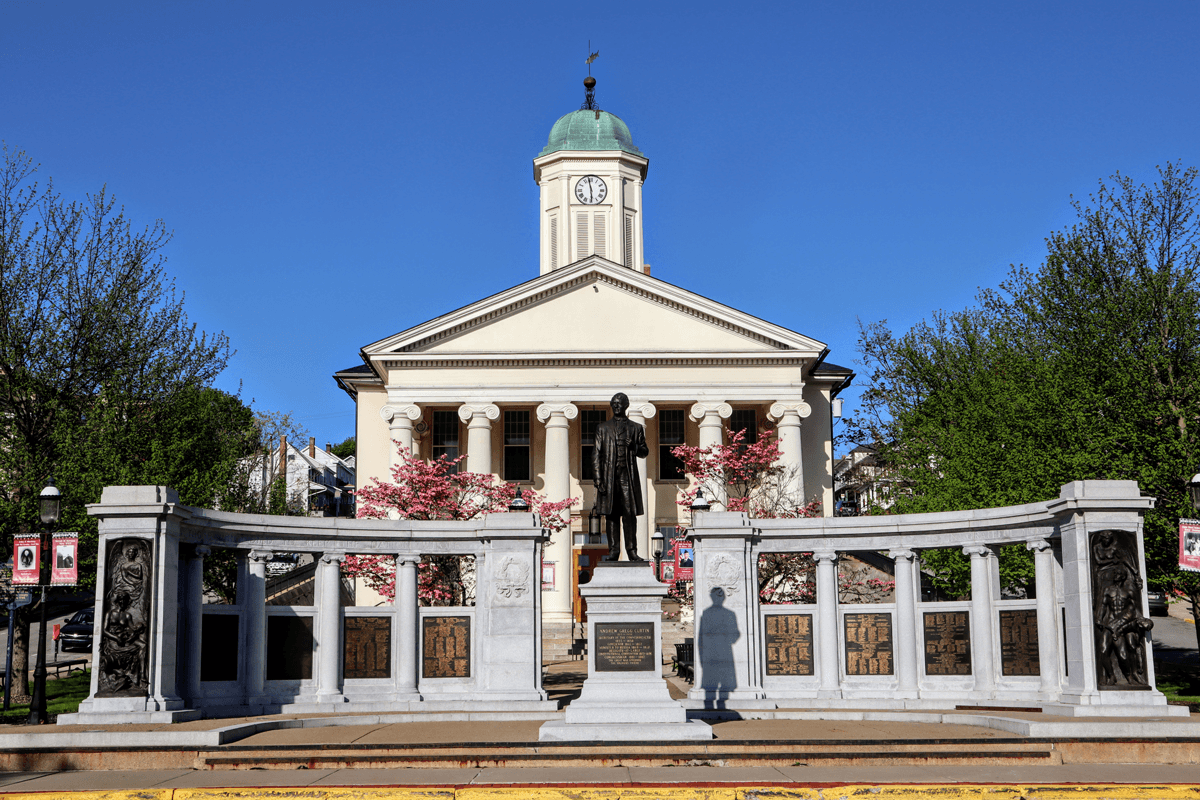
Bellefonte became a center of commerce and finance, law, and politics. Its residents were well-informed, supporting the local publication of multiple daily and weekly newspapers. The businessmen set about developing a good network of roads to Harrisburg and Philadelphia to the east, Pittsburgh to the west, as well as points north and south. These roads provided a footprint for today’s interstate crossroads that makes Bellefonte easily accessible from all directions. The need to move ore, coal, and limestone led to the development of a railroad network, which was soon connected to larger railroads and began providing passenger services.
Pennsylvania became the second state, after Vermont, to address the end of slavery, passing the Gradual Abolition Act. With the sharing of a long border with slave-holding Maryland, Pennsylvania became a destination for many people escaping to the freedom of the North. The paths to freedom became known as the Underground Railroad. Bellefonte and its surrounding towns had their fair share of “passengers” passing through with help from clandestine “conductors.”
Andrew Gregg Curtin, a descendant of the iron master at nearby Curtin Village, rose through the political ranks from being elected as a representative to become the Secretary of Education. When Pennsylvania was seeking a place to locate the Farmer’s High School that became Penn State University, Curtin petitioned the monied, forward-thinking businessmen in Bellefonte. They recognized the potential of having such a school within their county and pledged land and money to sway the State’s decision to locate the school here. Not wanting to change the ambiance of their town, the new school was located a day’s travel away. A new town developed around the school that eventually became known as State College.
Curtin was instrumental in getting Abraham Lincoln nominated for president. Though sent to support another candidate, Curtin listened to Lincoln’s speeches and became convinced he could better meet the needs of a politically divided country. Curtin convinced others at the nominating convention to endorse Lincoln. When representatives of the South threatened to secede if Lincoln was elected, Curtin pledged troops for the evolving American Civil War. When they later did so, he kept that promise. Thus, soldiers from Pennsylvania, including units from Bellefonte, were among the first reporting for duty, and many of Bellefonte’s finest rose to roles of prominence within the ranks of the Union Army.
At the time, the reward for meritorious military service was to rise in politics. Bellefonte became known as the “Home of Governors” when seven governors, five of Pennsylvania, one of California, and one of the Kansas Territory, once called Bellefonte home. No other town in the country, before or since, has provided so many political leaders. As the iron industry dwindled, Bellefonte’s industry evolved into the mining of limestone and the making of brass products. Early in the 1900’s, Bellefonte became the first stop on the fledgling U.S. Airmail Service’s first east-west route. It later became home to the first weather radio installation, relaying weather information to the flyers. Finance, commerce, law, politics, and newspapers continued to center around the county seat well into the mid-20th century.
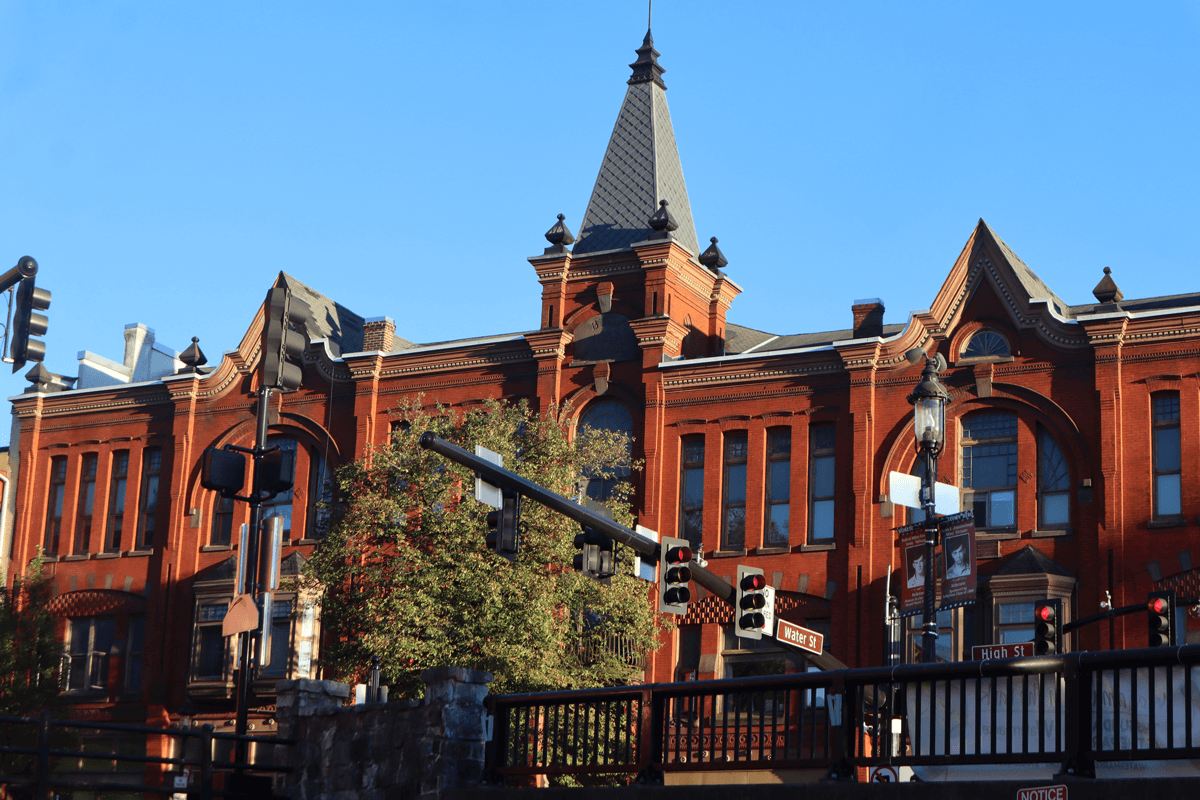
In the late mid-20th century, commerce shifted to outlying areas, mostly centered on Penn State University. Bellefonte’s traditional industrial footprint shrank, and the town found itself actively needing to recruit new businesses and technologies. The area’s largest employers became government and education. Several citizen groups began planning special events for the residents and to attract visitors. It took a few decades to regrow into what is now a vibrant downtown, with welcoming outdoor recreational spaces, shared workspaces for business start-ups, unique shops and a vibrant schedule of events ranging from indoor and outdoor concerts and literary programs, two arts and crafts fairs, a Victorian Christmas celebration, a huge car show known as the Historic Bellefonte Cruise, Civil War Weekend, an assortment of parades and many other events throughout the year. The downtown businesses also host special programs each month, including a Wine Walk and First Saturday events.
Today, a quarter into the 21st century, Bellefonte invites residents and visitors to participate in its interesting blend of natural and cultural resources, events, and entrepreneurial verve. To enjoy a nice meal at one of its eateries, to stay a while in one of its bed and breakfasts or a local hotel, to explore its great outdoors, and to experience a small town burnished by more than 230 years of being an interesting place to be.